Data Governance Architecture Diagrams for Azure Synapse Analytics
Home > Diagrams > Data Governance Diagrams
This section provides comprehensive diagrams illustrating data governance architectures and frameworks for Azure Synapse Analytics.
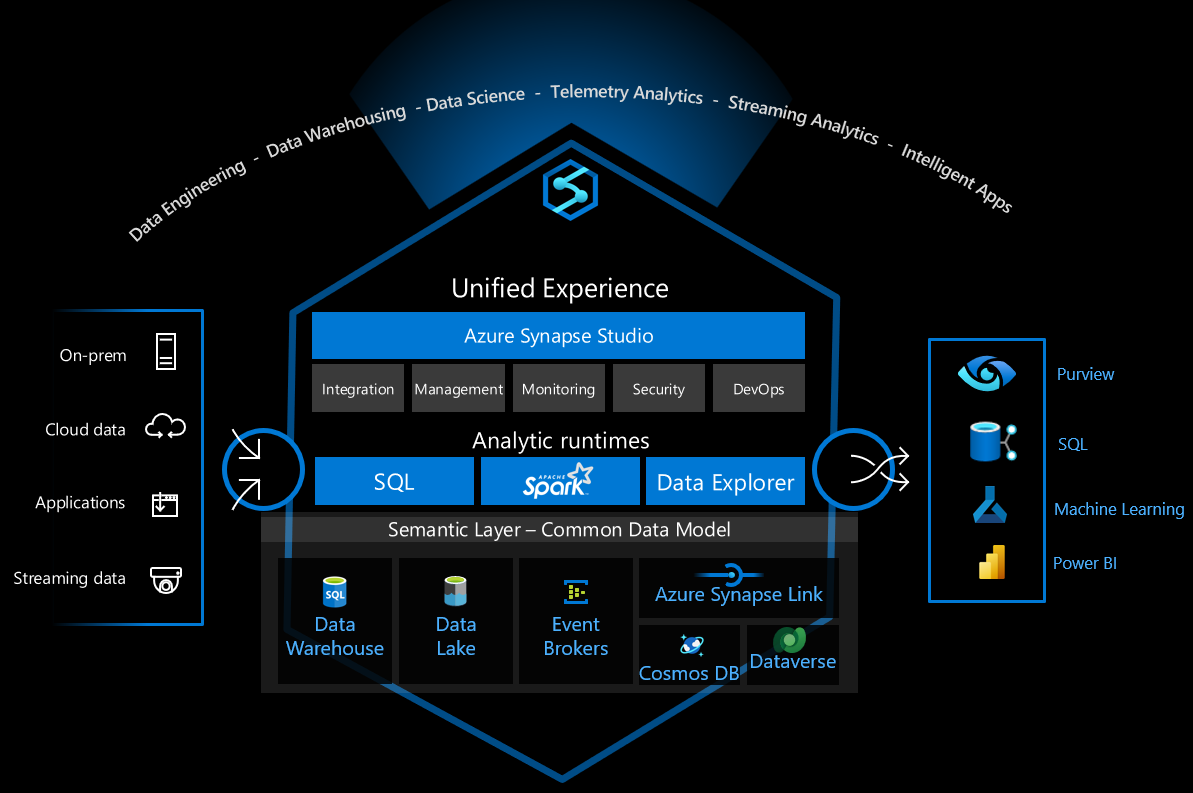
Integrated Data Governance Architecture
This diagram illustrates how data governance components integrate with Azure Synapse Analytics.

Data Governance Maturity Model
This diagram illustrates the maturity model for data governance in Azure Synapse Analytics implementations.
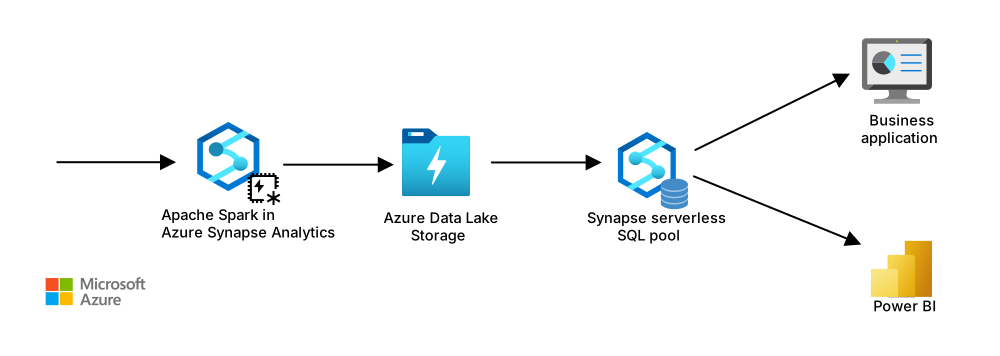
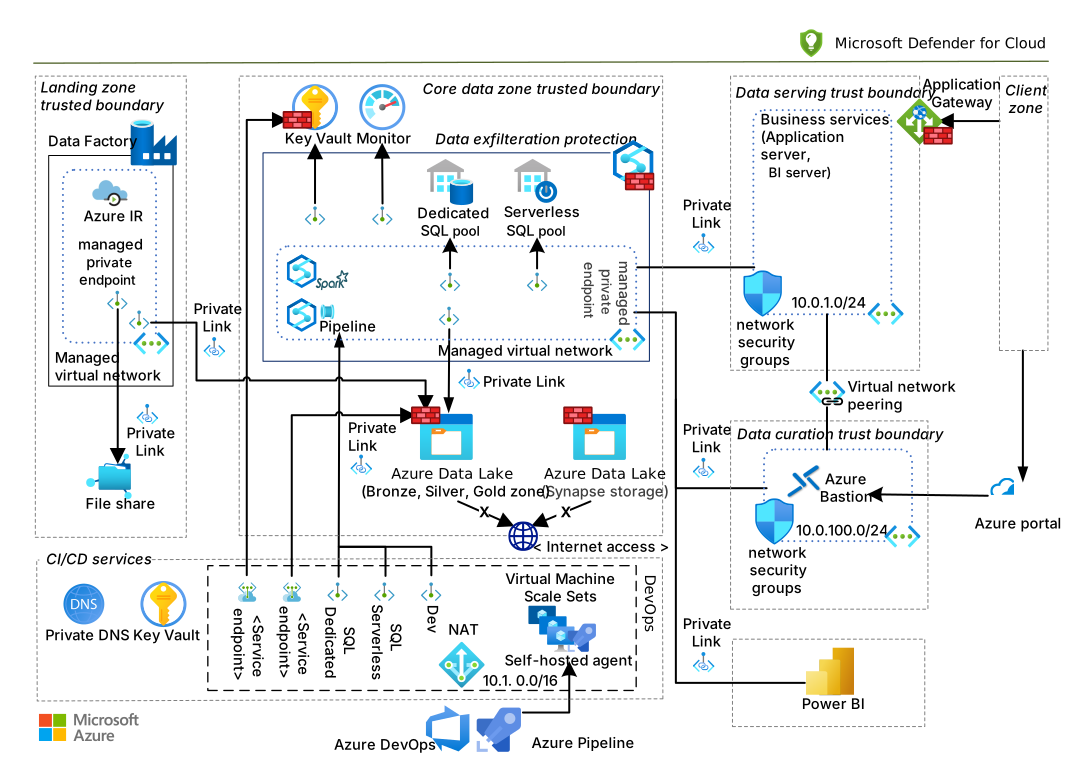
End-to-End Data Governance Architecture
This diagram illustrates an end-to-end data governance architecture for Azure Synapse Analytics.
Data Classification Framework
This diagram illustrates a comprehensive data classification framework for Azure Synapse Analytics.
Microsoft Purview Integration Architecture
This diagram illustrates how Microsoft Purview integrates with Azure Synapse Analytics for comprehensive data governance.
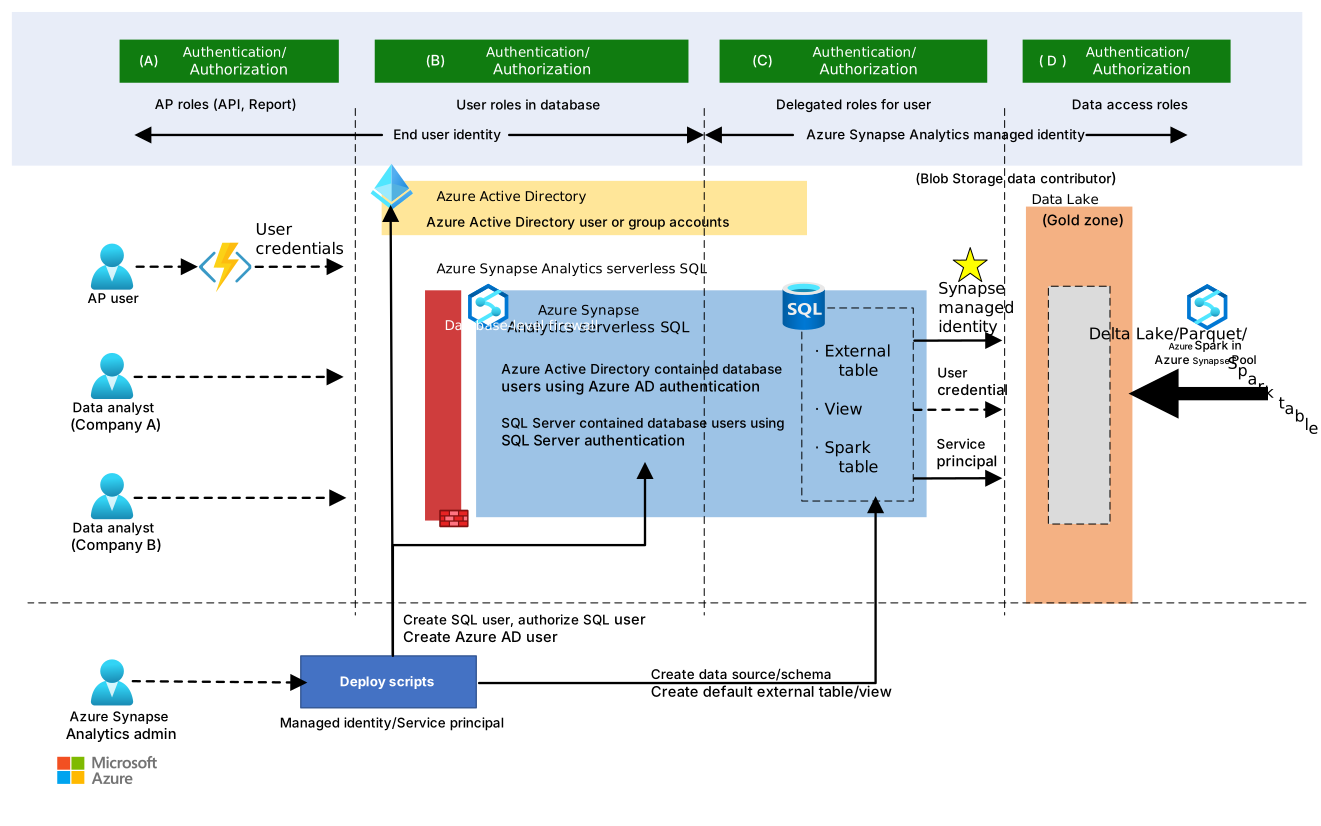
Data Quality Framework
This diagram illustrates a comprehensive data quality framework for Azure Synapse Analytics.
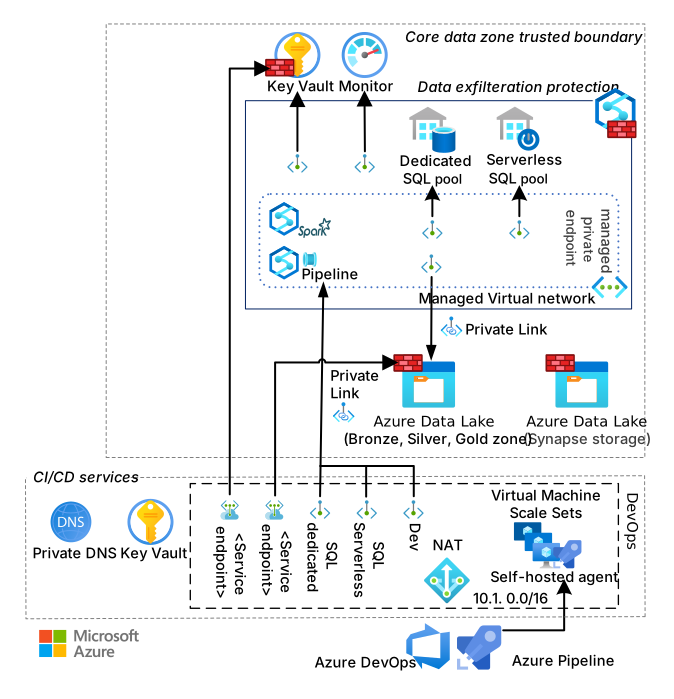
Data Governance Roles and Responsibilities
This diagram illustrates the roles and responsibilities within a data governance framework for Azure Synapse Analytics.
Best Practices for Data Governance
When implementing data governance for Azure Synapse Analytics, follow these best practices:
- Establish Clear Ownership
- Designate data owners for all data domains
- Define clear roles and responsibilities
-
Create accountability for data quality and security
-
Implement Comprehensive Classification
- Use Microsoft Purview for automated classification
- Apply sensitivity labels consistently
-
Implement protection controls based on classification
-
Automate Governance Processes
- Set up automated scanning and discovery
- Implement automated policy enforcement
-
Configure automated lineage tracking
-
Monitor Compliance Continuously
- Create dashboards for governance metrics
- Set up alerts for policy violations
-
Perform regular compliance audits
-
Establish Data Quality Framework
- Define quality dimensions and metrics
- Implement quality validation in pipelines
- Create remediation workflows for quality issues